Proximal Ventures Raises Debut Fund To Invest In AI-Driven Drug Development
Proximal Ventures has raised $27.5 million for its debut fund to back startups using AI in drug development, according to TechCrunch. This investment matters as it may transform the pharmaceutical industry's tools and services.
Original reporting · techcrunch.com
Original: “Proximal Ventures raises debut fund to back startups bringing AI to drug development”
Read “Proximal Ventures raises debut fund to back startups bringing AI to drug development” at TechCrunch →
How this was written. Awesome B2B Growth wrote this article with a language model from TechCrunch’s reporting (model: @cf/meta/llama-3.3-70b-instruct-fp8-fast); it describes that reporting rather than adding to it. The original, linked above, is the full story.
Key points from TechCrunch’s report
- Proximal Ventures has raised $27.5 million for its debut fund to invest in AI-driven drug development startups.
- The firm plans to invest in pre-seed and seed-stage startups, with a focus on those using AI to improve drug development.
- Proximal Ventures' founder, Sahir Raoof, has experience in the healthcare industry and a strong network of connections.
- The firm's backers include well-known VC firms and individual investors.
- Proximal Ventures may be well-positioned to identify and invest in successful startups in the emerging field of AI-driven drug development.
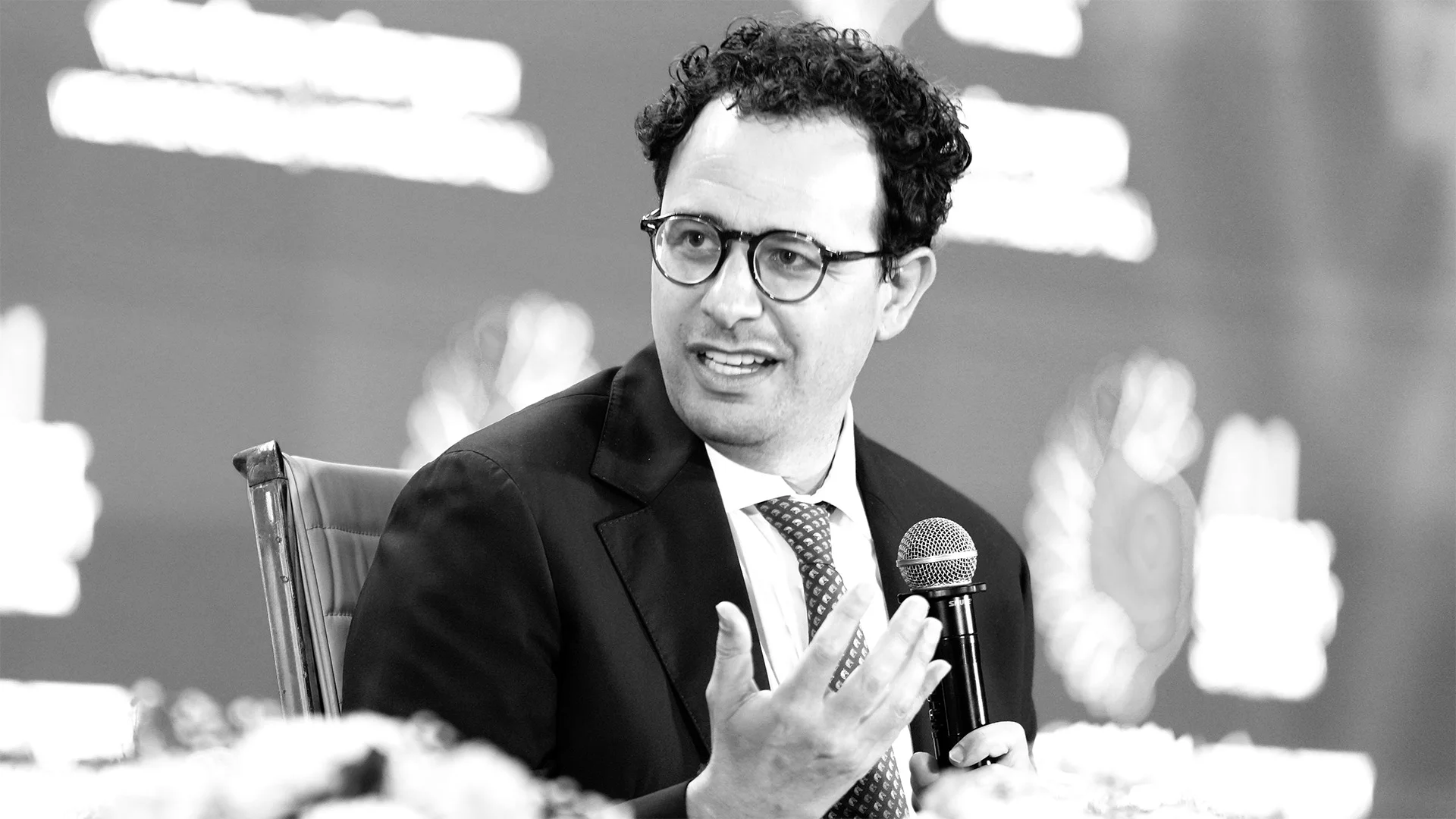
Proximal Ventures, a new venture capital firm, has secured funding for its first solo VC fund, TechCrunch reported. The firm's founder, Sahir Raoof, has experience in the healthcare industry, having worked at two healthcare startups and as an investor at SignalFire. This background may give him an edge in identifying promising startups.
The pharmaceutical industry has traditionally relied on specialized service providers for various stages of drug development. However, Raoof believes that AI can automate much of this work, creating opportunities for startups to capture a significant share of the industry's spending.
Raoof's firm plans to invest in pre-seed and seed-stage startups, with a focus on those using AI to improve drug development. The firm has already backed several startups, including one that applies AI to medical research.
Proximal Ventures' investment strategy involves writing checks ranging from $500,000 to $1.5 million. The firm's backers include well-known VC firms, such as SignalFire and Kleiner Perkins, as well as individual investors.
Raoof's experience in business development and his understanding of the healthcare ecosystem may give him an advantage in spotting strong startups and helping them land customers. His ability to build relationships and identify industry bottlenecks has impressed investors, including Amy Abernethy, a former FDA official.
Abernethy, who has worked with Raoof in the past, believes that his skills and knowledge of the healthcare market make him a promising investor. She is convinced that Proximal Ventures will be able to invest in successful startups alongside larger funds.
The debut fund's success may be a notable achievement in a challenging fundraising environment for first-time fund managers. Proximal Ventures' focus on AI-driven drug development may also contribute to the growth of this emerging field.
Questions and answers
What is Proximal Ventures' investment focus?
Proximal Ventures is focused on investing in startups that use AI to improve drug development.
How much has Proximal Ventures raised for its debut fund?
Proximal Ventures has raised $27.5 million for its debut fund.
Who are some of Proximal Ventures' backers?
Proximal Ventures' backers include VC firms such as SignalFire and Kleiner Perkins, as well as individual investors like Amy Abernethy.